


Alle Produkte
-
Kernstrahlenschutz
-
Detektor der radioaktiven Strahlung
-
Kupferne Folien-Abschirmung
-
Rf schirmte Türen ab
-
Rf-Schutzfenster
-
Strahlenschutz-Bleiglas
-
Nicht magnetischer Werkzeugsatz
-
Rf schirmte Kammer ab
-
Bienenwaben-Wellenleiter-Belüftungsöffnungen
-
Leitfähiges klebendes kupfernes Band
-
Kupferdraht-Maschendraht
-
Röntgenbleiglas
-
EMI Shielding Gasket
-
Elektrisch leitfähiges Gewebe
-
Strahlenschutz-Tür
-
Strahlenschutz X Ray
-
Faraday-Käfig MRI
-
Kupferdrahtwolle
-
Beleuchtung MRI LED
-
Nicht magnetischer Rollstuhl
-
Nicht magnetische Bahre
-
 AnekdotenMessingbienenwabenentlüftung schaut sehr Nizza
 -
 SatheeshMRI-/RFtüren glänzen mit Griffen, danke mein Freund.
Hochpräziser Hot-Cell-Dosiskalibrator für PET- und SPECT-Tracer
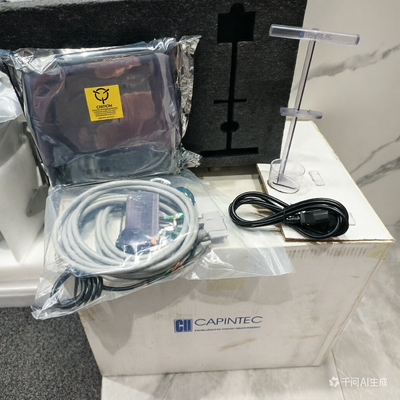
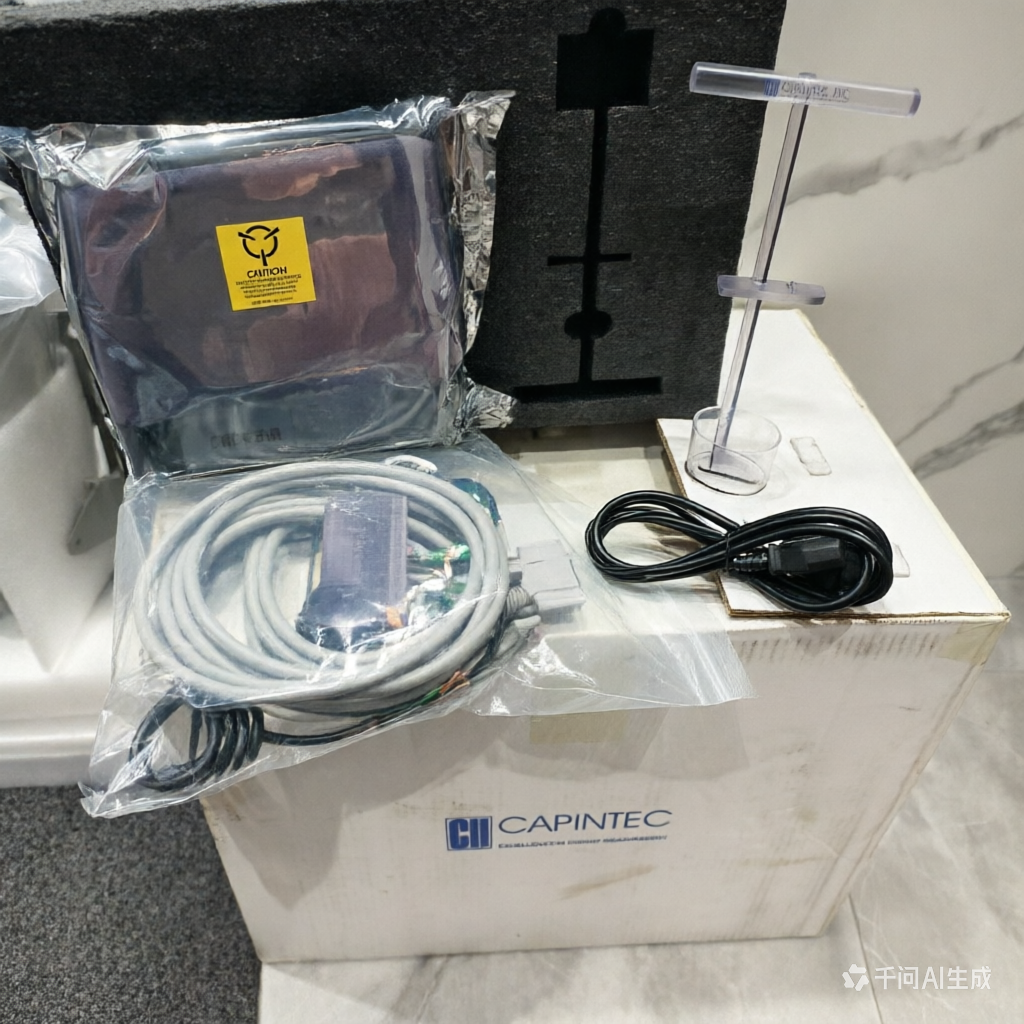
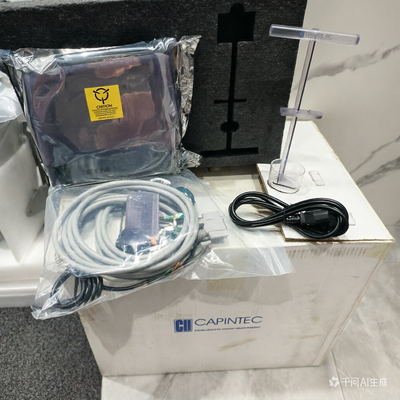
Produktdetails
| Betriebstemperatur | -20°C bis 50°C | Energiereaktion | 50Kev~5Mev |
|---|---|---|---|
| Testbereich | ≥5Ci | Strahlentyp | α +β / α / β |
| Kumulativer Dosierungsbereich | 0,1 μSv ~ 10 Sv | Dosisequivalent | 00,0099999μSv/h (maximal 100 mSv/h) |
Produkt-Beschreibung
Hochgenauer Dosierungskalibrator mit heißen Zellen für PET- und SPECT-Tracer
Produkteinführung
The High-Accuracy Hot Cell Dose Calibrator is specifically optimized for the unique demands of PET (positron emission tomography) and SPECT (single-photon emission computed tomography) tracer preparationPET-Isotope wie F-18 (Halbwertszeit 110 Minuten), Ga-68 (68 Minuten) und Cu-64 (12,7 Stunden) erfordern eine schnellegenaue Messung, da ihre kurze Halbwertszeit bedeutet, dass selbst kurze Verzögerungen zu signifikanten Zerfallskorrekturberechnungen führen. This dose calibrator combines fast response time — stable readings in under 3 seconds — with high accuracy (±3% for PET isotopes) to ensure that each patient receives the prescribed activity at the time of injectionDas Instrument ist gleichermaßen für SPECT-Tracer wie Tc-99m (6 Stunden) und I-123 (13,2 Stunden) geeignet, bei denen die Messgenauigkeit die Bildqualität und die Diagnosegenauigkeit direkt beeinflusst.
Anwendungsbereich
Dieser Kalibrator ist für PET/CT-Abteilungen, SPECT/CT-Abteilungen und Hybrid-Bildgebungszentren, die beide Modalitäten verwenden, konzipiert.Zu den primären Anwendungen gehören die Messung von FDG-Dosen für die Bildgebung in der Onkologie, zur Quantifizierung von Ga-68 DOTATAT für die neuroendokrine Tumorbildgebung und zur Verifizierung der Cu-64-Traktoraktivität für PET-Studien des Kupfermetabolismus.Der Kalibrator misst Tc-99m, die aus den Generatoren emittiert wird., überprüft Tc-99m-markierte Verbindungen (MDP, Sestamibi, MAG3 usw.) und quantifiziert I-123 NaI-Kapseln für die Bildgebung der Schilddrüse.Das Gerät unterstützt auch theranostische Anwendungen, bei denen PET-Isotope zur Behandlungsplanung vor der Therapie mit Lu-177 verwendet werden.Zusätzliche Anwendungen umfassen die Messung der Radiomarkierungsergebnisse während der Tracer-Synthese, die Überprüfung der Aktivitätskonzentrationen für Qualitätskontrollproben,und Berechnungen zur Korrektur des Zerfalls für Zeitverzögerungs-Bildprotokolle.
Leistung und Nutzen
The High-Accuracy Hot Cell Dose Calibrator achieves measurement stability in as little as 2 seconds for F-18 — critical for PET workflows where each minute of measurement time reduces the activity available for the patient due to radioactive decayZum Beispiel mag eine 5-Sekunden-Messverzögerung bei einer F-18-Dosis trivial erscheinen, aber bei 50 Dosen pro Morgen könnte der kumulative Verfallverlust einer gesamten Patientendosis entsprechen.Die schnelle Reaktion dieses Instruments maximiert die nützliche Aktivität, die den Patienten geliefert wirdDie Genauigkeit des Kalibrators für PET-Isotope wird durch energiekompensierte Elektronik verbessert, die die von Positronen emittierenden Isotopen erzeugte Vernichtungsstrahlung korrekt berücksichtigt.Viele Standard-Dosis-Kalibratoren reagieren zu stark oder zu wenig auf diese hochenergetischen Photonen, aber die optimierte Kalibrierung dieses Instruments liefert eine Genauigkeit von ± 3% für F-18, Ga-68 und andere PET-Emitter.Der Benutzer gibt die gewünschte Aktivität und Verabreichungszeit ein.Diese Funktion eliminiert manuelle Verfallskorrekturberechnungen, die eine häufige Quelle für Dosierungsfehler in beschäftigten PET-Zentren sind.Für SPECT-Isotope, der Kalibrator bei Aktivitäten von 0,1 mCi bis 10 Ci eine Genauigkeit von ± 5% aufrechterhält. Die Funktion der automatischen Berechnung wählt automatisch den geeigneten Messbereich aus,und die nuklidspezifische Kalibrierung stellt sicher, dass ein Tc-99m-Wert von 20 mCi die tatsächliche Aktivität korrekt widerspiegelt. Die Fernanzeige zeigt sowohl die Messung der aktuellen Aktivität als auch die durch Zerfall korrigierte Aktivität zur geplanten Verabreichungszeit an,so dass der Techniker bestätigen kann, dass die Dosis für den Termin des Patienten korrekt istDas Gerät enthält Datenerfassung und Drucker-Ausgabe für Dosis-Aufzeichnungen, und seine korrosionsbeständige Kammer widersteht täglicher Dekontamination.Die wichtigsten Vorteile sind eine verbesserte Patientenversorgung durch präzise Dosierung., reduzierte Abfälle, weil weniger Radiopharmazeutika aufgrund von Messfehlern entsorgt werden, und schnellerer Arbeitsablauf, der es ermöglicht, mehr Patienten zu planen.Die für PET-Tracer optimierte Leistung des Kalibrators macht ihn besonders wertvoll für große Volumenzentren
Empfohlene Produkte
