


Alle Produkte
-
Kernstrahlenschutz
-
Detektor der radioaktiven Strahlung
-
Kupferne Folien-Abschirmung
-
Rf schirmte Türen ab
-
Rf-Schutzfenster
-
Strahlenschutz-Bleiglas
-
Nicht magnetischer Werkzeugsatz
-
Rf schirmte Kammer ab
-
Bienenwaben-Wellenleiter-Belüftungsöffnungen
-
Leitfähiges klebendes kupfernes Band
-
Kupferdraht-Maschendraht
-
Röntgenbleiglas
-
EMI Shielding Gasket
-
Elektrisch leitfähiges Gewebe
-
Strahlenschutz-Tür
-
Strahlenschutz X Ray
-
Faraday-Käfig MRI
-
Kupferdrahtwolle
-
Beleuchtung MRI LED
-
Nicht magnetischer Rollstuhl
-
Nicht magnetische Bahre
-
 AnekdotenMessingbienenwabenentlüftung schaut sehr Nizza
 -
 SatheeshMRI-/RFtüren glänzen mit Griffen, danke mein Freund.
Dosiskalibrator mit Zerfallskorrektur für die Vorbereitung der Heißzellentherapie
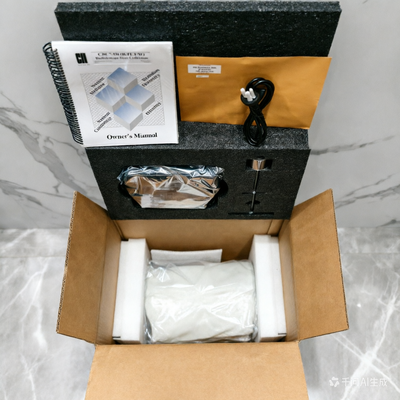


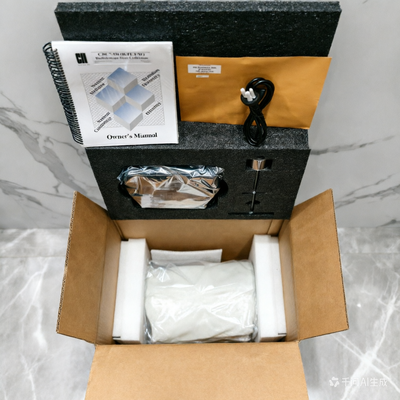
Produktdetails
| Kumulativer Dosierungsbereich | 0,1 μSv ~ 10 Sv | Netzwerkknoten | ≥32 |
|---|---|---|---|
| Betriebstemperatur | -20 °C ~ 45 °C | Erkennungstyp | Alpha, Beta, Gamma, Röntgen |
| Reichweite | 0,01–1000 µSv/h | Datenspeicherung | Bis zu 1000 Lesungen |
Produkt-Beschreibung
Dosierungskalibrator mit Verfallskorrektur für die Herstellung der Therapie mit heißen Zellen
Produkteinführung
Der Dosierungskalibrator mit Verfallskorrektur ist speziell für therapeutische Radiopharmazeutika ausgelegt, bei denen die Dosen oft Stunden oder Tage vor der Verabreichung vorbereitet werden.Für langlebige Therapieisotope wie Lu-177 (Halbwertszeit 6.6 Tage), Y-90 (2.7 Tage) und I-131 (8.0 Tage), ist der Verfall zwischen Zubereitung und Verabreichung signifikant und muss korrekt berechnet werden, um sicherzustellen, dass der Patient die vorgeschriebene Aktivität erhält.Dieses Gerät automatisiert die Berechnung der VerfallskorrekturDer Anwender gibt die gewünschte Aktivität zur Verabreichungszeit und zur Verabreichungszeit ein.Der Kalibrator berechnet die Aktivität, die zur Zeit der Zubereitung gemessen werden muss, und leitet den Anwender bei der Anpassung des Dosisvolumens an..
Anwendungsbereich
Der Kalibrator zur Korrektur der Verfalldosierung ist für Abteilungen der Nuklearmedizin, die eine radiopharmazeutische Therapie bei Krebs, Hyperthyreose und anderen Erkrankungen durchführen, konzipiert.Zu den primären Anwendungen gehören Lu-177 DOTATATE oder PSMA-Präparate für PRRT (Peptidrezeptor-Radionuklidtherapie), Y-90 Mikrosphärenpräparat zur Behandlung von Leberkrebs, I-131 Lösung oder Kapselpräparat für Schilddrüsenkrebs und Hyperthyreose und Ac-225 PSMA Präparat für gezielte Alpha-Therapie.Das Gerät ist sowohl für Forschungsvorhaben mit langlebigen Radiotracers als auch für die Qualitätskontrolle von Therapie-Dosen, bei denen eine Korrektur der Zerfallserkrankungen erforderlich ist, wertvoll..
Leistung und Nutzen
Der Abfallkorrektur-Dosiskalibrator automatisiert die Berechnung, die die häufigste Quelle für Therapie-Dosierungsfehler ist.,Ac-225 usw.) und tritt die gewünschte Aktivität zur Verabreichungszeit (z. B. 150 mCi für Lu-177 PRRT) und zur geplanten Verabreichungszeit (z. B. morgen um 10:00 Uhr) ein.Der Kalibrator berechnet die Aktivität, die in der Dosis vorhanden sein muss, wenn sie zubereitet wird (heute um 14 Uhr).Bei der Berechnung wird die genaue Halbwertszeit des Isotops verwendet (Lu-177: 6.647 Tage, Y-90: 2.668 Tage, I-131: 8.021 Tage) und der Zeitunterschied auf die Minute berücksichtigt.Das Instrument zeigt sowohl die Zielvorbereitungsaktivität als auch, für flüssige Dosen das erforderliche Volumen auf der Grundlage der Konzentration der Grundlösung. Der Anwender misst dann die vorbereitete Dosis. Der Kalibrator vergleicht die gemessene Aktivität mit dem Zielwert,Berechnet die prozentuale Differenz, und zeigt an, ob die Dosis innerhalb einer akzeptablen Toleranz liegt (typischerweise ± 10% für Therapie-Dosen).der Kalibrator eine Anpassung vorschlägt hinzufügen oder das Volumen aus der Durchstechflasche entfernenBei Mehrfachdosis- Durchstechflaschen (z. B. eine einzelne Durchstechflasche mit Lu-177 mit ausreichend Aktivität für mehrere Patienten) kann der Kalibrator die Restaktivität nach jedem Entzug der Dosis verfolgen.automatische Aktualisierung der Karieskorrektur für nachfolgende PatientenDiese Funktion ist für Therapiezentren von unschätzbarem Wert, die Dosierungen für mehrere Patienten aus demselben Lagerfläschchen in Chargen vorbereiten.Die Genauigkeit des Instruments für Therapieisotope beträgt ± 5% für Gamma-Emissionsisotope (Lu-177, I-131) und ±10% für reine Beta-Emitter (Y-90, mit Bremsstrahlungsmessung).für die Anwendung sowohl von niedrigaktiven Testdosen als auch von hochaktiven TherapieflaschenDie Fernanzeige zeigt die gemessene Aktivität, die Zielaktivität und die prozentuale Differenz auf einem einzigen Bildschirm an, mit Farbcodierung (grün für innerhalb der Toleranz, gelb für Grenzwerte,rot für nicht zulässig)Das Datenaufzeichnungssystem speichert alle Datensätze zur Dosisvorbereitung, einschließlich der Zielaktivität, der gemessenen Aktivität, der Vorbereitungszeit,Zeit der VerabreichungDie Ausgabe des Druckers erzeugt eine Aufzeichnung, die an die Patientenkarte angebracht werden kann.Der Hauptvorteil der automatisierten Zerfallskorrektur besteht in der Beseitigung von Berechnungsfehlern.In einem geschäftigen Therapiezentrum, manual decay correction calculations are time-consuming and error-prone — a misplaced decimal point or incorrect half-life can result in a patient receiving half the prescribed dose or twice the prescribed doseDas automatisierte System beseitigt dieses Risiko. Auch die Fähigkeit zur Korrektur der Verwesungen spart Zeit, da die Dosisvorbereitungszeit pro Patient um 5~10 Minuten verkürzt wird.Für Therapiezentren, die mehrere Patienten pro Woche behandelnDer Dosierungskalibrator mit Verfallskorrektur verwandelt die Therapie-Dosisvorbereitung von einem komplexen berechnungsintensiven Prozess in ein einfaches, geführtes Verfahren.
Empfohlene Produkte
